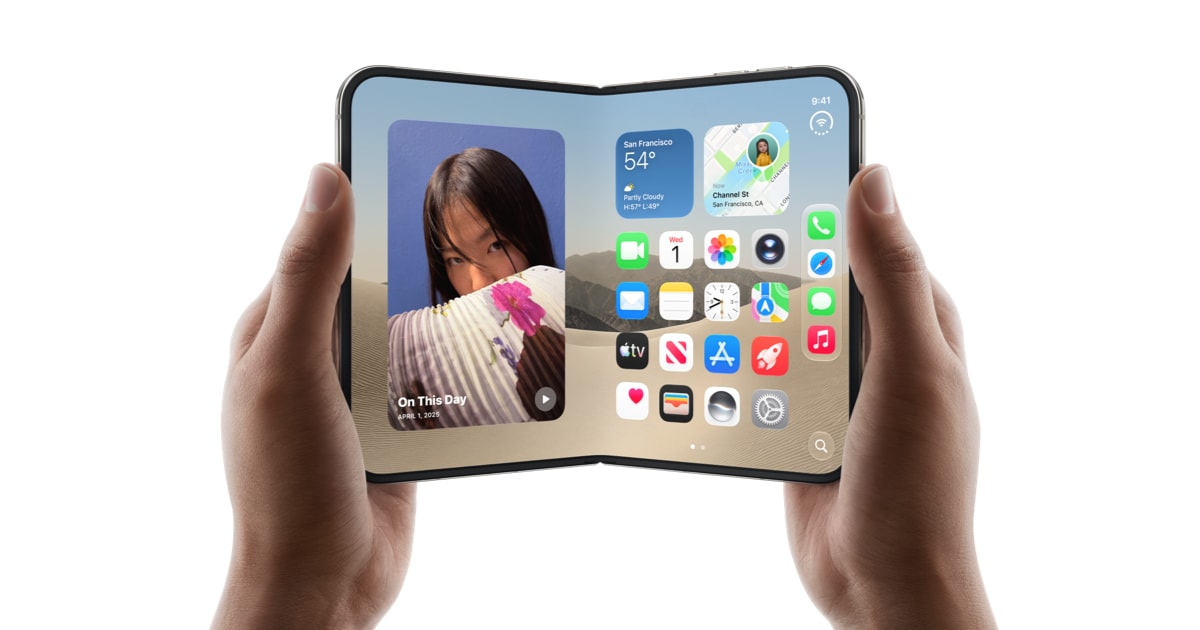
The smartphone landscape in 2026 has reached a dramatic technological inflection point. In one corner stands Apple’s newly announced iPhone 18 Pro, introducing the industry’s first commercial 2-nanometer silicon (the A20 Pro) and a mechanical variable aperture camera. In the other stands Samsung’s reigning Android flagship, the Galaxy S26 Ultra, armed with Qualcomm’s Snapdragon 8 Elite Gen 5, an integrated S Pen, a built-in hardware Privacy Display, and a 200MP quad-camera array.
For high-end buyers seeking the pinnacle of performance, camera versatility, and long-term durability, choosing between these two titans is tougher than ever.
In this exhaustive head-to-head comparison, we evaluate the iPhone 18 Pro vs Samsung Galaxy S26 Ultra across design, display quality, raw processor power, camera systems, battery longevity, AI features, and retail value in Nepal.
Last Updated: September 11, 2026
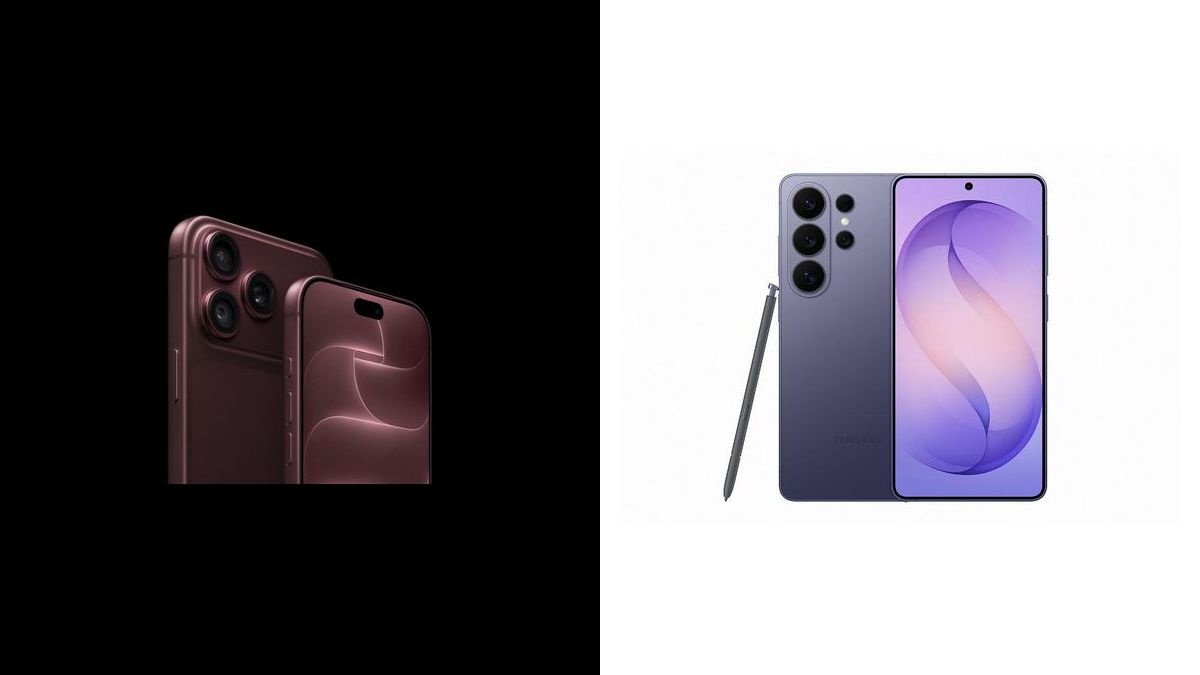 Editorial Comparison: Apple iPhone 18 Pro (Left) and Samsung Galaxy S26 Ultra (Right). Images: Apple / Samsung Mobile Press
Quick Comparison: Head-to-Head Specification Matrix
| Feature | Apple iPhone 18 Pro | Samsung Galaxy S26 Ultra |
|---|---|---|
| Global Release Date | September 2026 | March 2026 |
| Dimensions & Weight | 149.6 × 71.5 × 8.2 mm; 199g | 163.6 × 78.1 × 7.9 mm; 214g |
| Frame & Glass | Grade 5 Titanium + Ceramic Shield 2 | Armor Titanium + Corning Gorilla Armor 2 |
| Display | 6.3-inch Super Retina XDR OLED | 6.9-inch Dynamic LTPO AMOLED 2X |
| Refresh Rate | 1Hz–120Hz ProMotion | 1Hz–120Hz Adaptive LTPO |
| Peak Brightness | 3,000 nits (Outdoor) | 2,600 nits (Outdoor) |
| Special Display Tech | Micro-Lens Array (MLA) + Ceramic Shield 2 | Anti-Reflective Coating + Hardware Privacy Display |
| Processor | Apple A20 Pro (TSMC 2nm GAAFET) | Qualcomm Snapdragon 8 Elite Gen 5 (3nm) |
| RAM Options | 12GB LPDDR5X Unified Memory | 12GB / 16GB LPDDR5X |
| Storage Options | 128GB / 256GB / 512GB / 1TB NVMe | 256GB / 512GB / 1TB UFS 4.X |
| Main Camera | 48MP Fusion (f/1.4 to f/2.8 Variable Aperture) | 200MP Wide (f/1.4, Super Quad Pixel AF, OIS) |
| Ultra-Wide Camera | 48MP (f/2.2, 120° FOV, Macro) | 50MP (f/2.0, 120° FOV, Dual Pixel AF) |
| Telephoto System | 48MP Tetraprism (5x Optical Zoom, 120mm) | Dual: 10MP (3x Optical) + 50MP Periscope (5x Optical) |
| Front Camera | 24MP Center Stage with Autofocus | 12MP Dual Pixel AF (f/2.2) |
| Video Capabilities | 4K 120fps Dolby Vision, ProRes Log | 8K 30fps APV Pro Video, 4K 120fps HDR10+ |
| Stylus Support | None | Built-in S Pen Stylus with Air Actions |
| Battery Capacity | 3,650 mAh | 5,000 mAh |
| Wired Charging | 35W USB-C (50% in 25 mins) | 60W Super Fast Charging (65% in 30 mins) |
| Wireless Charging | 25W MagSafe / Qi2 | 25W Fast Wireless Charging 2.0 |
| Software Support | iOS 20 (5–7 years expected updates) | One UI 8.5 on Android 16 (7 years OS updates) |
| Biometrics | 3D Face ID | Ultrasonics Under-Display Fingerprint + 2D Face |
| Water Resistance | IP68 (6 meters for 30 minutes) | IP68 (1.5 meters for 30 minutes) |
| Official US Price | Starts at $1,099 (128GB/256GB) | Starts at $1,299 (256GB) |
| Price in Nepal | NPR 179,999 – NPR 184,999 (Estimated) | NPR 199,999 (Official Distributor) |
1. Design, Ergonomics and Build Quality
Both manufacturers have refined their design languages to near perfection, but they cater to very different physical preferences:
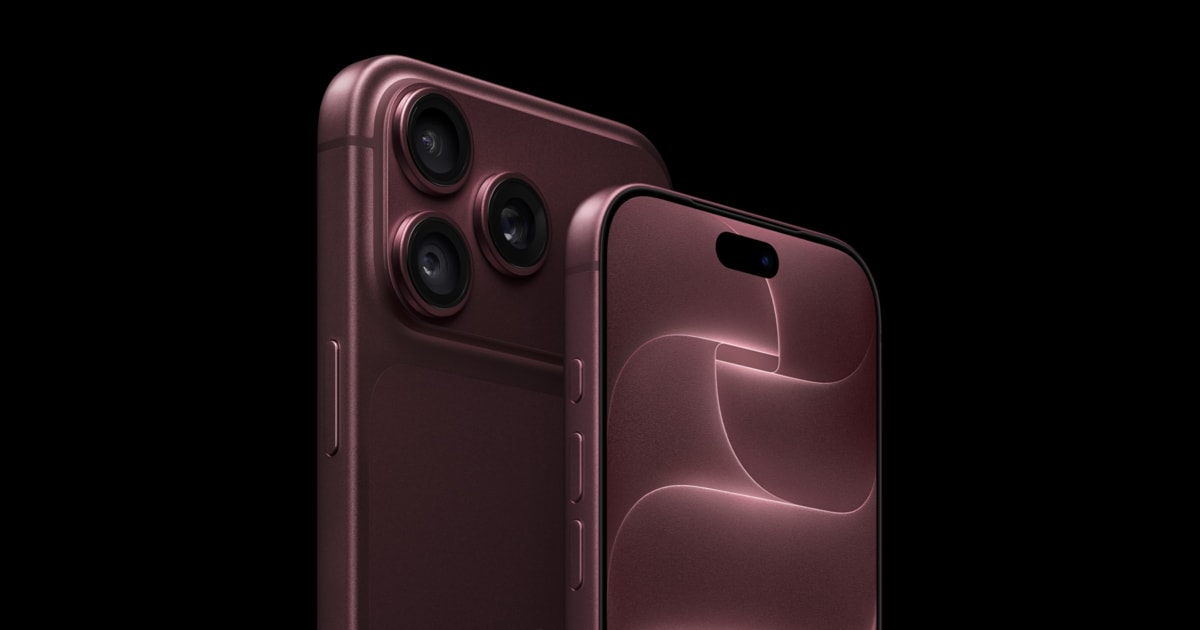 Image: Apple
Apple iPhone 18 Pro: Compact Ergonomic Mastery
The iPhone 18 Pro maintains a 6.3-inch form factor with contoured Grade 5 titanium edges. At 199 grams and 71.5 mm wide, it is exceptionally comfortable for single-handed use, slipping into pockets effortlessly.
Apple’s new Ceramic Shield 2 glass formulation features an advanced dual-ion exchange process that improves drop resistance by an estimated 35% compared to the iPhone 16 generation. The matte-textured rear glass resists fingerprint smudges and provides a confident, premium grip.
Samsung Galaxy S26 Ultra: The Monolithic Powerhouse
The Galaxy S26 Ultra is undeniably large. Measuring 163.6 mm tall and weighing 214 grams, it is a two-handed device designed for users who treat their phone as a mobile office.
Samsung has flattened the side rails further and shaved the thickness down to just 7.9 mm. Wrapped in Corning Gorilla Armor 2, the glass features a state-of-the-art optical anti-reflective coating that slashes surface reflections by over 75%, making the screen vastly easier to view in harsh sunlight. Furthermore, it houses an internal silo for the S Pen stylus, an engineering feat that compromises none of its IP68 water resistance.
Verdict on Build: If you prioritize single-handed comfort, pocketability, and subtle elegance, the iPhone 18 Pro wins. If you want maximum screen estate, anti-reflective glass, and built-in stylus utility, the Galaxy S26 Ultra is unmatched.
2. Displays: 3,000 Nits vs Hardware Privacy Protection
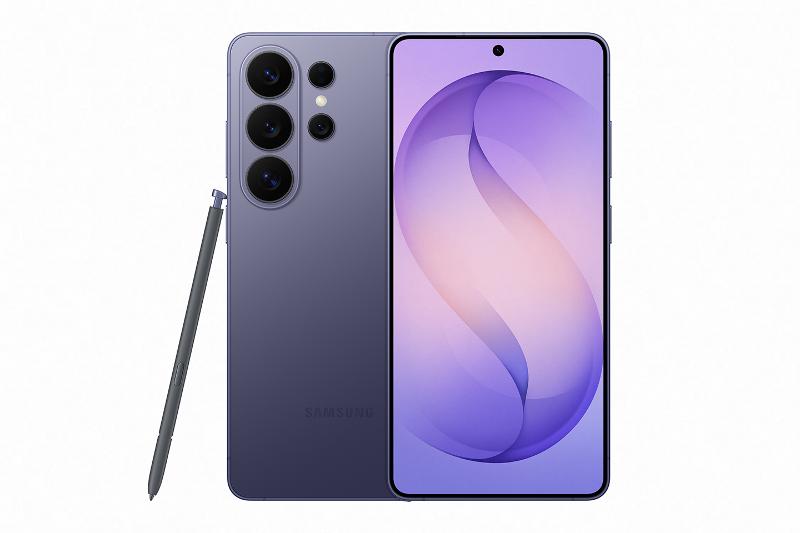 Image: Samsung Mobile Press
Display engineering in 2026 highlights two divergent philosophies:
Apple Super Retina XDR (6.3-inch OLED)
- Resolution: 2622 × 1206 pixels at 460 ppi.
- Peak Brightness: Reaches up to 3,000 nits in direct outdoor sunlight, ensuring effortless readability even under midday Kathmandu glare.
- Dynamic Island: Houses Face ID sensors while showing real-time flight tracking, rideshare updates, and timers.
Samsung Dynamic LTPO AMOLED 2X (6.9-inch)
- Resolution: 3120 × 1440 pixels (QHD+) at 505 ppi.
- Peak Brightness: 2,600 nits peak, aided substantially by the anti-reflective Gorilla Armor 2 glass that makes 2,600 nits appear brighter in real-world conditions than untreated 3,000-nit panels.
- Hardware Privacy Display: The standout innovation of 2026. With a single tap in the quick settings shade, the display activates an internal liquid-crystal polarizing layer that restricts horizontal viewing angles. To people sitting next to you on a microbus or airplane, the screen appears completely pitch-black, protecting banking passwords and private chats without needing sticky aftermarket screen protectors.
Verdict on Display: While Apple wins on raw peak nit luminance, Samsung’s larger 6.9-inch canvas, anti-reflective coating, and revolutionary Privacy Display make it the more versatile screen overall.
3. Processor & Performance: Apple A20 Pro vs Snapdragon 8 Elite Gen 5
The silicon comparison in 2026 represents a clash between process nodes:
┌──────────────────────────────────────────────────────────┐
│                   SILICON NODE BATTLE                    │
├────────────────────────────┬─────────────────────────────┤
│ Apple A20 Pro              │ Snapdragon 8 Elite Gen 5    │
│ • TSMC 2nm GAAFET          │ • TSMC 3nm (Enhanced)       │
│ • 6-Core CPU (2P + 4E)     │ • 8-Core CPU (2 Prime + 6E) │
│ • 16GB Unified RAM         │ • 12GB / 16GB LPDDR5X       │
│ • Neural Ray Tracing 2.0   │ • Adreno 840 Architecture   │
└────────────────────────────┴─────────────────────────────┘
Apple A20 Pro: The 2nm Milestone
The A20 Pro is the world’s first commercially shipping chip fabricated on TSMC’s 2-nanometer Gate-All-Around (GAAFET) process. GAAFET nanosheet transistors dramatically reduce quantum tunneling leakage, enabling Apple to boost clock frequencies while decreasing thermal wattage.
In single-threaded tasks and sustained gaming, the A20 Pro sets a new benchmark, particularly in mobile ray-tracing titles where its dedicated hardware Neural Ray Tracing 2 engine renders photorealistic lighting reflections with minimal battery drain.
Qualcomm Snapdragon 8 Elite Gen 5 for Galaxy
Samsung equips the S26 Ultra with an exclusive “for Galaxy” binned version of Qualcomm’s 3nm Snapdragon 8 Elite Gen 5. With two custom Oryon Prime cores running at blisteringly high frequencies alongside six performance cores, the S26 Ultra trades blows with Apple in multi-core CPU workflows and matches it in graphic rendering.
Thanks to an enlarged copper vapor chamber that is 28% larger than its predecessor, the S26 Ultra sustains intensive multi-tasking (like Samsung DeX desktop mode) without severe thermal throttling.
| Benchmark Indicator | Apple iPhone 18 Pro (A20 Pro) | Samsung Galaxy S26 Ultra (SD 8 Elite Gen 5) | Advantage |
|---|---|---|---|
| Process Node | 2nm GAAFET | 3nm FinFET | Apple (Density & Efficiency) |
| Single-Core Speed | Industry Leading | Near-Parity (~5% behind) | Apple |
| Multi-Core Power | Exceptional | Exceptional (Ties Apple) | Tie |
| Sustained Thermals | Passive Graphite Heat Spreader | Large Vapor Chamber + Heat Pipe | Samsung |
| On-Device NPU TOPS | 45 TOPS | 45 TOPS | Tie |
Verdict on Performance: Apple holds a clear edge in single-core responsiveness and power efficiency thanks to its 2nm leap. However, Samsung’s aggressive vapor chamber cooling gives it equal endurance during sustained multi-hour gaming and desktop DeX workloads.
4. Cameras & Optics: Mechanical Variable Aperture vs 200MP Zoom System
Both devices are photographic powerhouses, but they excel in distinctly different scenarios:
Apple iPhone 18 Pro Camera Highlights
- Main Fusion Sensor: 48MP with a physical mechanical variable aperture (f/1.4 to f/2.8). At f/1.4, it captures astonishing low-light detail with creamy, natural optical bokeh (avoiding fake software blur). At f/2.8, group photos and landscape shots are tack-sharp from corner to corner.
- Video Superiority: Apple remains the undisputed king of smartphone videography. The iPhone 18 Pro records in 4K 120fps Dolby Vision HDR and ProRes Log, with seamless color-grading integration for Final Cut Pro and DaVinci Resolve.
- Front Camera: 24MP Center Stage autofocus lens with outstanding facial skin-tone accuracy.
Samsung Galaxy S26 Ultra Camera Highlights
- 200MP Main Camera: Fires an ultra-high-resolution 200MP sensor capable of 16-in-1 pixel binning. In bright light, it captures microscopic architectural and texture detail that no 48MP sensor can rival.
- Dual Telephoto Lenses: Unlike Apple’s single 5x optical telephoto lens, the S26 Ultra provides two dedicated zoom optics: a 10MP 3x lens (ideal for 70mm classic portraits) and a 50MP periscope 5x lens (hybrid digital zoom up to 100x Space Zoom).
- APV 8K Video Codec: In partnership with Qualcomm, the S26 Ultra introduces the Advanced Professional Video (APV) codec, allowing professional-tier 8K 30fps recording that consumes 40% less storage than traditional raw formats.
Verdict on Cameras:
- Choose the iPhone 18 Pro if you shoot video frequently, prefer natural colors, and want the optical benefits of a physical variable aperture lens.
- Choose the Galaxy S26 Ultra if you love long-distance zoom photography (wildlife, concerts, sports), want 200MP landscape resolving power, and need flexible 3x portrait framing.
5. Battery Life & Charging Speeds
| Metric | Apple iPhone 18 Pro | Samsung Galaxy S26 Ultra |
|---|---|---|
| Battery Capacity | 3,650 mAh | 5,000 mAh |
| Real-World Screen-On Time | 7.5 – 8.5 Hours | 8.0 – 9.0 Hours |
| Wired Charging Power | 35W Max | 60W Super Fast Charging |
| 0 to 50% Charge Time | ~25 Minutes | ~18 Minutes |
| 0 to 100% Full Charge | ~70 Minutes | ~52 Minutes |
| Wireless Charging | 25W MagSafe / Qi2 | 25W Fast Wireless 2.0 |
| Reverse Wireless Charging | No | Yes (Wireless PowerShare 4.5W) |
While Apple’s 2nm A20 Pro chip is remarkably efficient, physics cannot be cheated: Samsung’s 5,000 mAh pack holds nearly 37% more chemical energy. As a result, the Galaxy S26 Ultra reliably delivers an extra hour of screen-on time during heavy GPS navigation and video streaming.
In charging speeds, Samsung holds a definitive lead. Its 60W wired charging tops up the phone in just over 50 minutes, whereas Apple’s conservative 35W profile requires over an hour and ten minutes. Furthermore, Samsung includes Reverse Wireless PowerShare, allowing you to charge your Galaxy Buds or a friend’s dying phone directly off its back.
6. Software & AI Ecosystem: iOS 20 vs One UI 8.5
┌──────────────────────────────────────────────────────────┐
│                   ECOSYSTEM ECOSYSTEM                    │
├────────────────────────────┬─────────────────────────────┤
│ iOS 20 (Apple)             │ One UI 8.5 (Samsung)        │
│ • Apple Intelligence (Local)│ • Galaxy AI (Cloud + Local) │
│ • AirDrop, iMessage, Watch │ • S Pen Air Actions         │
│ • Clean Privacy Controls   │ • Samsung DeX Desktop Mode  │
│ • 5-7 Years Fast Updates   │ • 7 Years Full OS Upgrades  │
└────────────────────────────┴─────────────────────────────┘
Apple Intelligence on iOS 20
Apple’s approach to artificial intelligence prioritizes on-device processing and contextual privacy:
- Siri with Personal Context: Siri understands your emails, calendar, and photos to answer complex requests like “Find the PDF receipt uncle sent me last Tuesday and text it to Ramesh.”
- System-Wide Writing Tools: Rewrite, proofread, and summarize text across any application.
- Clean Ecosystem Synergy: Instant AirDrop, Mac Virtual Display, Apple Watch unlocking, and iCloud Keychain backup make switching away from Apple painful for existing Mac and iPad users.
Galaxy AI & One UI 8.5 on Android 16
Samsung offers a more overt, generative suite of AI tools:
- Live Call Translation & Audio Summaries: Translates voice calls in real-time across 20+ languages and creates structured bulleted transcripts of recorded meetings.
- Generative Photo Editing: Move or erase unwanted objects, expand cropped backgrounds, and generate natural shadows with minimal artifacting.
- Samsung DeX: Plug the S26 Ultra into an external monitor or TV to transform your phone into a desktop PC interface with full window management and mouse support.
- S Pen Precision: Handwrite notes, sign legal documents, and annotate PDFs with zero latency.
7. Price & Availability in Nepal
Flagship smartphone purchases in Nepal must navigate import duties, MDMS compliance, and authorized distributor warranty terms:
| Storage Configuration | Samsung Galaxy S26 Ultra (Official MRP) | Apple iPhone 18 Pro (Estimated Official MRP) |
|---|---|---|
| Base Model (256GB) | NPR 199,999 (Verified Official) | NPR 179,999 – NPR 184,999 (Estimated) |
| Mid Tier (512GB) | NPR 219,999 (Verified Official) | NPR 209,999 – NPR 214,999 (Estimated) |
| Top Tier (1TB) | NPR 249,999 (Verified Official) | NPR 239,999 – NPR 244,999 (Estimated) |
Availability Status in Nepal:
- Samsung Galaxy S26 Ultra: Readily available across Nepal through authorized national distributors (Integrated Mobility Solutions - IMS, and HIM Electronics) and certified Samsung Experience Stores in Kathmandu, Pokhara, Biratnagar, and Chitwan. Official units come with 1 year breakage insurance and pre-registered MDMS status.
- Apple iPhone 18 Pro: Announced September 9, 2026. Official authorized pre-orders via Generation Next Communications (GenX), Oliz Store, and EvoStore are expected in late October 2026, with shelf availability following in early November.
Final Verdict: Which Flagship Should You Buy in 2026?
Buy the Apple iPhone 18 Pro if:
- You want single-handed ergonomic comfort: At 6.3 inches and 199 grams, it is drastically easier to handle daily than Samsung’s monolithic 6.9-inch frame.
- You are a content creator or video enthusiast: Apple’s 4K 120fps ProRes Log video, variable aperture f/1.4 lens, and audio recording fidelity remain unmatched.
- You are deeply invested in Apple’s ecosystem: If you rely on a MacBook, iPad, Apple Watch, or Apple TV, the seamless continuity features provide unmatched daily convenience.
- You value raw single-core silicon efficiency: The 2nm A20 Pro chip guarantees peak performance for years to come.
Buy the Samsung Galaxy S26 Ultra if:
- You want the ultimate productivity tool: The built-in S Pen stylus, Samsung DeX desktop mode, and massive 6.9-inch display turn your phone into a legitimate workstation.
- You value privacy and anti-glare display tech: The hardware Privacy Display and anti-reflective Gorilla Armor 2 glass provide the best real-world viewing experience available.
- You need versatile telephoto zoom: Dual 3x and 5x optical lenses with up to 100x Space Zoom make it far superior for travel and concert photography.
- You want faster charging and longer battery life: 5,000 mAh capacity and 60W charging get you back on the move much faster than Apple’s conservative battery tech.
Related Coverage & Smartphone Guides
- iPhone Duo Price in Nepal 2026: Specs, Features & Availability
- iPhone 18 Pro Price in Nepal: Full Specifications & Analysis
- iPhone 18 Pro and iPhone Duo Foldable Review
Frequently Asked Questions (FAQs)
Which phone takes better photos: iPhone 18 Pro or Galaxy S26 Ultra?
It depends on what you shoot. The iPhone 18 Pro produces more natural skin tones, has superior low-light optical bokeh thanks to its f/1.4 variable mechanical aperture, and shoots significantly better video. The Galaxy S26 Ultra excels at resolving microscopic detail with its 200MP sensor and dominates zoom photography between 3x and 100x.
Is the iPhone 18 Pro cheaper than the Galaxy S26 Ultra in Nepal?
Yes. The base 256GB iPhone 18 Pro is estimated to arrive in Nepal between NPR 179,999 and NPR 184,999, making it approximately NPR 15,000 to NPR 20,000 less expensive than the base 256GB Galaxy S26 Ultra (officially priced at NPR 199,999).
What is the Samsung Galaxy S26 Ultra Privacy Display?
The Privacy Display is an innovative hardware feature on the S26 Ultra. When activated, an internal liquid-crystal polarizing layer narrows the screen’s horizontal viewing angles. Looking straight at the screen is completely clear, but anyone viewing from the side sees only a darkened display, preventing bystanders from peeking at confidential messages or passcodes.
How many years of software updates do both phones get?
Samsung guarantees 7 full years of Android OS and security upgrades for the Galaxy S26 Ultra (supported until 2033). Apple does not state a fixed number of years, but historically provides 5 to 7 years of major iOS upgrades for flagship Pro models, accompanied by security patches for even longer.
Does the iPhone 18 Pro support an Apple Pencil or stylus?
No. Apple reserves Apple Pencil support exclusively for iPad models. If integrated stylus functionality, handwritten note-taking, and PDF sketching on a phone are essential to your workflow, the Samsung Galaxy S26 Ultra with its built-in S Pen is the only flagship choice.
Conclusion
Both the Apple iPhone 18 Pro and the Samsung Galaxy S26 Ultra represent the absolute zenith of modern smartphone engineering in 2026.
Apple’s triumphant leap to 2nm GAAFET architecture, variable mechanical aperture optics, and compact titanium craftsmanship make the iPhone 18 Pro the most refined, polished, and enjoyable everyday pocket flagship on the market.
Conversely, Samsung’s sheer feature density—combining anti-reflective glass, a groundbreaking Privacy Display, an integrated S Pen, unmatched 100x zoom capabilities, and desktop DeX computing—cements the Galaxy S26 Ultra as the undisputed king of power users.
Assess your ergonomic preference, your ecosystem investments, and whether you value zoom/stylus productivity over compact video perfection. Whichever device you select, you are purchasing one of the finest technological achievements of the decade.